TikTok US Ban Deal: How Tech Power Is Being Reshaped
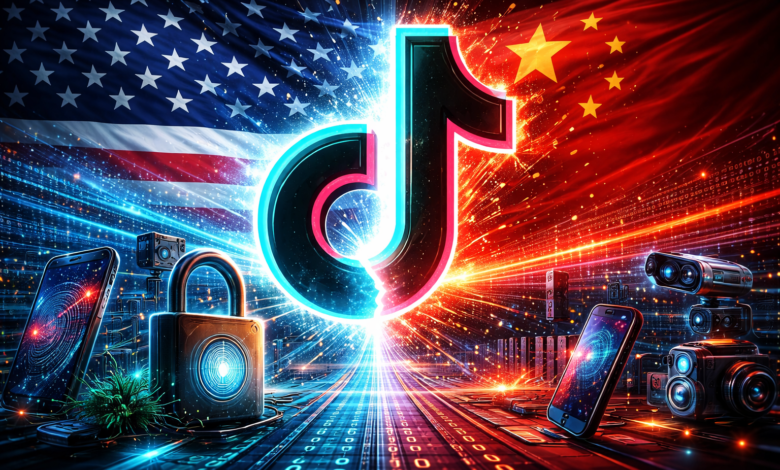
For the past few years, the phrase TikTok US ban has sent shockwaves through the global technology industry. Every time headlines screamed about restrictions, bans, or government warnings, millions of users wondered the same thing: Is TikTok about to disappear from our phones? Recently, that fear paused — not ended, but paused — after TikTok’s parent company signed a major ByteDance agreement with American and global investors. This move directly targets growing data privacy concerns, stricter social media regulation, and the larger global tech war shaping today’s digital world.
This is not just another tech news story. It is a turning point that affects creators, smartphone users, gadget ecosystems, and the future of how social platforms operate worldwide.
The Rise of TikTok: From Fun App to Tech Giant
TikTok didn’t start as a political issue. It began as a creative playground where short videos, trends, and music ruled. Within a few years, it became one of the most downloaded apps globally, deeply integrated into modern smartphones and creator gadgets.
What many people forget is that TikTok is not just an app — it is powered by advanced AI algorithms, data analytics, and cloud infrastructure. This technological backbone is exactly why governments started paying attention.
As TikTok’s influence grew, questions about data privacy grew louder. Where is user data stored? Who controls it? And how safe is it from foreign access?
TikTok US ban: Why the TikTok US Ban Became a Serious Threat
The idea of a TikTok US ban didn’t appear overnight. It slowly built up due to:
- National security concerns
- User data storage fears
- Political tension between global tech powers
- Increasing control over social media platforms
US lawmakers argued that TikTok’s Chinese ownership could allow foreign access to sensitive user data. Whether fully proven or not, perception alone was enough to trigger aggressive policy discussions.
This is where social media regulation entered a new phase — one where governments began treating apps like strategic assets, not just entertainment tools.
ByteDance Agreement: A Strategic Survival Move
Facing a possible nationwide ban, TikTok’s parent company made a calculated move. The new ByteDance agreement involves restructuring TikTok’s US operations with American and international investors.
This agreement aims to:
- Reduce foreign ownership influence
- Increase transparency
- Localize data storage
- Satisfy regulatory demands
From a tech business perspective, this was not a surrender — it was survival. In the ongoing global tech war, adaptability matters more than pride.
Data Privacy: The Real Battle Behind the Headlines
At the heart of the TikTok controversy lies one powerful term: data privacy.
Smartphones today are data machines. Every tap, scroll, and swipe feeds massive databases. Governments now understand that data equals power.
TikTok’s algorithm thrives on personalization, which requires deep data access. This efficiency is what made the app addictive — and suspicious.
The ByteDance agreement attempts to calm fears by promising stricter controls, third-party audits, and local data governance. Whether that will fully satisfy regulators remains uncertain.
TikTok US ban: Social Media Regulation Is Changing Forever
Even if TikTok survives, social media regulation will never be the same.
This case has created a blueprint for how governments may treat future apps:
- Mandatory data localization
- Ownership transparency
- Algorithm accountability
- Security audits
For tech companies, innovation alone is no longer enough. Compliance has become part of product design.
For gadget users, this means future apps may be slower to launch but safer to use.
Global Tech War: US vs China Beyond TikTok
The TikTok debate is just one battlefield in the larger global tech war.
This conflict extends to:
- Smartphones
- Semiconductors
- AI development
- Cloud services
- Consumer gadgets
Tech companies are no longer neutral players. They are caught between political borders, trade rules, and national interests.
The ByteDance agreement shows how companies must now balance innovation with diplomacy.
TikTok US ban: What This Means for Content Creators
Creators were among the most anxious during the TikTok US ban discussions. Many rely on TikTok for income, brand deals, and audience growth.
This deal brings temporary relief, but also a lesson:
Never depend on a single platform.
Creators are now diversifying:
- Using better recording gadgets
- Expanding to YouTube Shorts & Instagram Reels
- Investing in personal websites
Technology evolves, but platforms remain fragile.
TikTok US ban: Impact on Smartphones and Gadgets Ecosystem
TikTok drives smartphone upgrades more than many realize. Better cameras, stabilizers, microphones, and editing tools exist largely because short-form video exploded.
A full TikTok ban could have slowed this innovation.
By avoiding the TikTok US ban, gadget ecosystems continue evolving:
- Camera-centric phones
- Creator accessories
- AI-powered editing apps
This proves how deeply apps influence hardware trends.
Is TikTok Truly Safe Now?
Short answer: Safer, but not immune.
The ByteDance agreement reduces immediate risk, but future governments could still revisit regulations.
As social media regulation tightens globally, TikTok must continuously adapt or risk repeating history.
What Users Should Learn From This Situation
For everyday users, this story highlights three truths:
- Data privacy matters more than convenience
- Apps are political tools now
- Digital awareness is no longer optional
Understanding the global tech war helps users make smarter digital choices.
The Future of TikTok and Global Technology
TikTok’s survival shows one thing clearly: technology is no longer just about features — it’s about trust.
The TikTok US ban scare will be remembered as a moment when:
- Governments took control
- Companies restructured
- Users became aware
And most importantly, when the balance of tech power visibly shifted.
Final Thoughts
The TikTok US ban debate was never just about one app. It was about who controls data, who sets digital rules, and how technology shapes society.
The ByteDance agreement may have saved TikTok for now, but the era of unchecked tech expansion is over.
In a world driven by data privacy, strict social media regulation, and an ongoing global tech war, only adaptable technology will survive.
And TikTok?
For now — it lives to scroll another day.